A few weeks ago, I sat down with artist and animal advocate Sophie Gamand on my podcast.
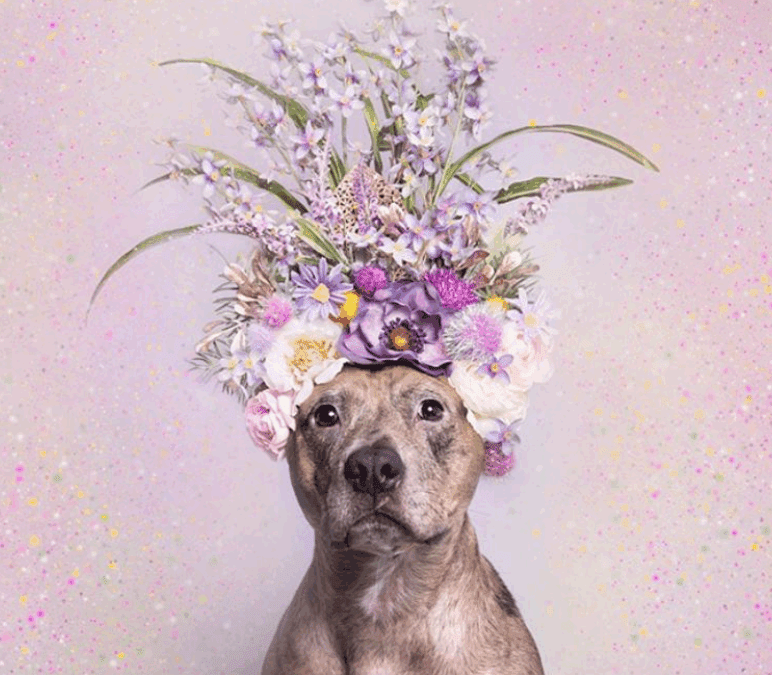
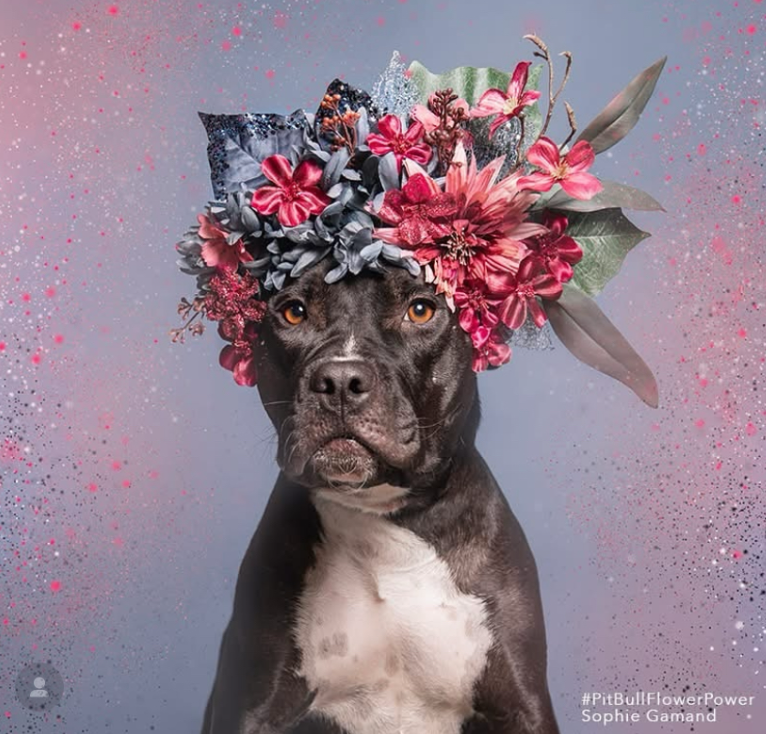
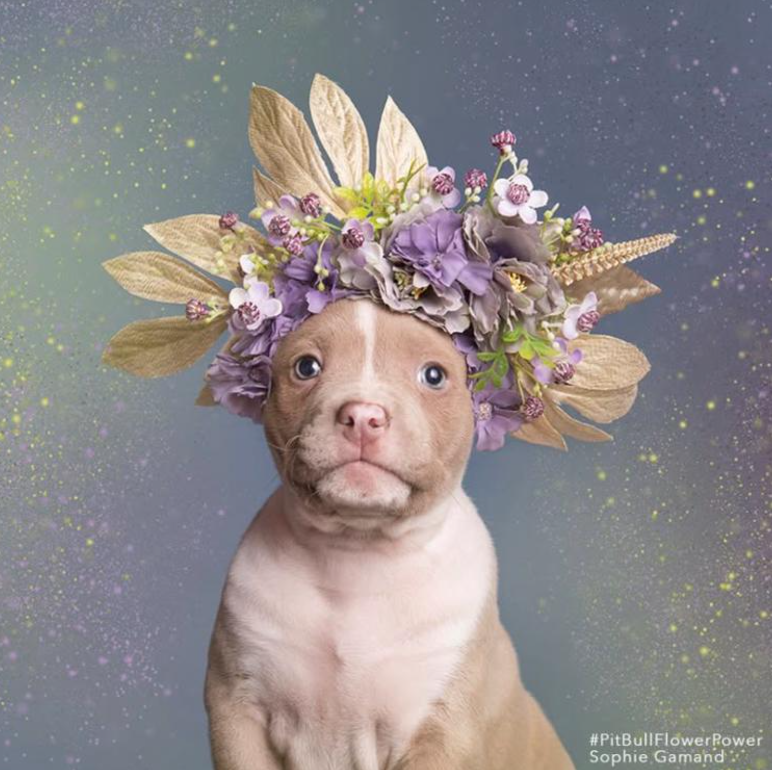
You might know her from the Pit Bull Flower Power project, those stunning portraits of shelter pit bulls wearing flower crowns. 🌸
When Sophie first started photographing shelter dogs, she admitted she was nervous around pit bulls. Her palms would sweat, her hands would shake a little, and she realized something powerful—her own fear was keeping her from connecting.
So she decided to face it head-on 🐶
She gathered a few pit bulls at a Brooklyn shelter, made handmade flower crowns, and photographed them surrounded by color and softness.
The next morning, the internet exploded. Fifteen million views. Interviews flooding in. And one big question everyone kept asking:
“So… are pit bulls actually dangerous?”
That project changed everything.
It moved Sophie to travel across the U.S., photographing pit bulls in shelters in nearly every state, offering dignity, hope, and a long-overdue spotlight to the dog breed too often misunderstood.
And as we talked, she said something that stopped me in my tracks.
“We’ve been told dogs are man’s best friend… but are we acting like their best friend?”
That line settled in my heart, and it hasn’t left since.
Because when I look around, at the grooming, the training, the medical procedures, even the outfits, I sometimes wonder how much of what we do is really for them 💁♀️
Sophie talked about the idea of consent and agency.
She shared how, instead of automatically petting her chihuahua on the couch, she now pauses and asks,
“Do you want to snuggle?”
Sometimes he stretches and nestles in. Sometimes he turns away. And both answers are okay.
That small moment of choice quietly reshaped their relationship. Her dog became more confident. More independent. And when he does come close, it’s because he wants to 🥰
On the podcast, Sophie shared this simple exercise for pet parents who want to try it too:
Next time your dog jumps on the couch beside you, pause for a second before snuggling them and hold out your hand and notice what they do. Do they lean in? Turn their head? Freeze a little?
Let them make the first move.
It’s such a small shift, but it helps your dog learn that their “yes” or “no” matters, and that you’re listening 💖
And when it comes to advocating for your pet, Sophie shared another story I think every pet parent and vet needs to hear.
She was at the vet with her dog when he growled during a procedure. The staff told him, “No.”
But Sophie stopped them and said, “Don’t scold my dog when he growls.”
She explained that when a dog growls, they’re expressing discomfort, not doing something wrong.
As she said, “The growl is the lower form of conversation, it’s how they tell us, hey, I’m getting uncomfortable here, give me my space.”
That perspective is exactly how I think about advocacy too.
When our pets try to communicate, it’s not our job to silence them, it’s to listen, respect, and support them through it.
In fact I see this a lot in the pet parents around me.
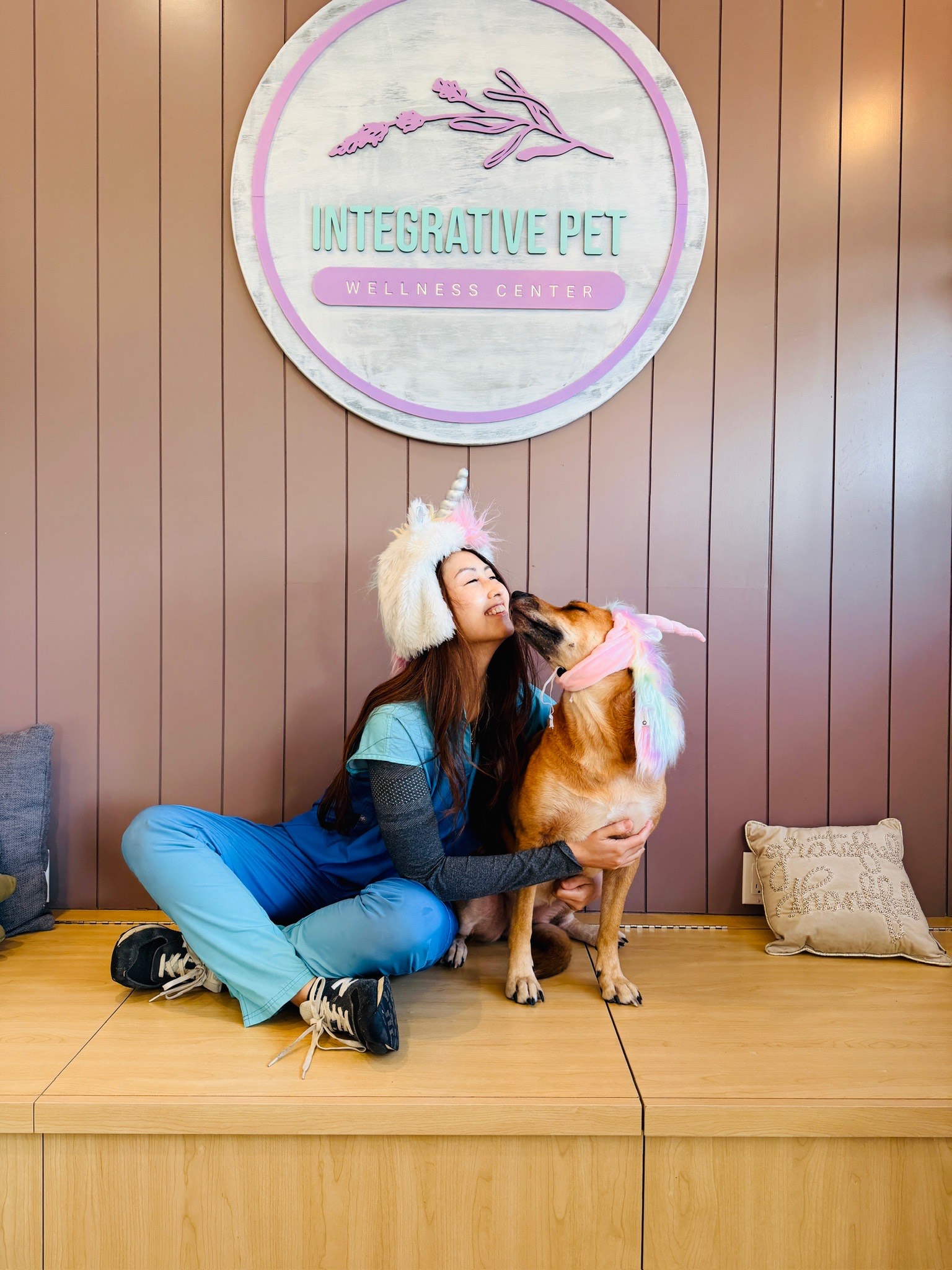
I’m so inspired by the pet parents who walk through the doors of the Integrative Pet Wellness Center 🦄
It’s truly a different breed of pet parent, these are the pet parents forming remarkable, heart-led relationships with their animals 🐶💖
They’re showing up with such deep respect, empathy, and curiosity about who their pets really are.
And it fills me with hope to see more veterinarians beginning to embrace this too, recognizing that emotional wellbeing is just as vital to healing as physical health.
I can’t wait to see where this growing movement takes us next.
Your Unicorn Vet,
Dr. Lily
P.S. You can catch the full conversation with Sophie on the My dog Is Better Than Your Dog Podcast 🐶
Listen on Apple Podcasts ✨👇
Listen on Spotify ✨👇