
Hi friends,
We are in the hottest stretch of the year now, the kind of weeks where the morning walk moves earlier and earlier, and the sidewalk test (back of your hand, seven seconds) decides everything.
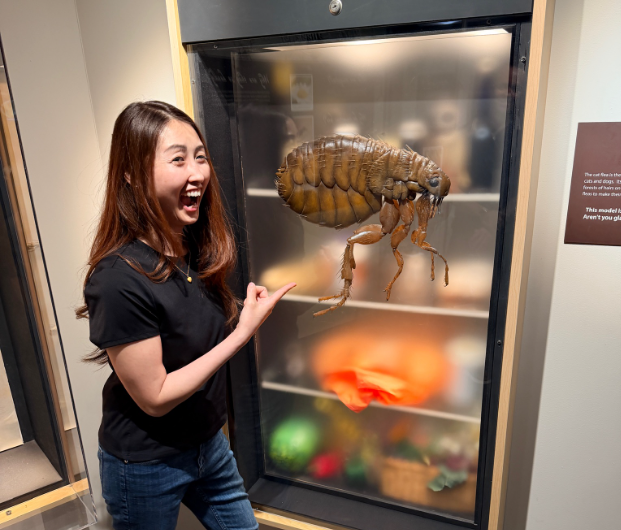
We are at the very height of flea season, and we have been seeing the evidence in the exam room all month.
There is a conversation we have every single summer, with some of the most devoted pet parents we know. It usually starts the same way.
“We treated her. We bathed her. The fleas were gone. And two weeks later, they were back.”
And then, quietly, a little embarrassed: “Is it something we’re doing wrong?”
It is not. We promise it is not. But there is one number that changes how this whole battle looks, and almost nobody has been told it.
Only about 5% of the fleas in your home are actually on your pet.
The other 95% are eggs, larvae, and pupae, tucked into the carpet, the couch cushions, the pet bed, the shady corner of the yard. Every adult flea you see starts laying eggs within a day or two of its first meal, and those eggs roll off your pet and into your home like tiny seeds.
So when we treat only the pet, we are fighting 5% of the problem.
Your dog is not the flea problem. Your environment is the nursery.
Once you see it that way, prevention stops feeling like an endless losing battle and becomes something you can actually win. Here is where we would start.
Check first. Run a fine toothed flea comb through the coat, especially over the rump and belly, and tap it onto a damp white paper towel. Black specks that bloom reddish brown are flea dirt. This one minute habit, done daily during peak season, catches fleas before they multiply.
Break the cycle in the house. Vacuum often, carpets, rugs, baseboards, under the furniture, and empty the vacuum outside right away, or the eggs simply hatch in the canister. Wash pet bedding, and any blankets they share with you, in hot water with a high heat dry. For a bigger reset, steam cleaning reaches the pupae hiding deep in carpet that vacuuming misses.
Make your home inhospitable. Flea eggs and larvae need humidity to survive. Keeping indoor humidity under about 50% with a dehumidifier quietly disrupts the whole life cycle. A light based flea trap near where your pet sleeps helps knock down adults, and tells you honestly whether you still have a problem.
Don’t forget the yard. Fleas love shade and moisture. Keep the lawn mowed, trim the bushes, and if you want to go a step further, beneficial nematodes, microscopic organisms you water into the yard, hunt flea larvae for you.
Support from the inside. A resilient pet is a less appealing host. Omega-3s, gut support, and good skin barrier nutrition all play a quiet role here. This is very much the kind of plan we love building with you at your pet’s visits.
And one warning we need every cat family to hear: never use a dog flea product on a cat. Some dog topicals contain permethrin, which is extremely toxic to cats, even snuggling a freshly treated dog can be a risk. When in doubt, ask us first.
Here is the thing. Sometimes, even when you do everything right, the flea burden wins the early rounds. That is not a failure, and it is not the moment to give up on a gentler approach, it is the moment to call us. There are fast, short acting options that give a suffering pet relief within the hour, and when we do need stronger prevention, we choose it thoughtfully. Every pet in the household, treated at the same time, for at least three consecutive months, while the home care above does the deeper work.
The goal was never zero tools. The goal is the gentlest thing that truly works, for your pet, in your home.
— Dr. Lily 💜
A Note for Flea Season
Some of our favorite products for flea season:
- 4-Legger Revitalize Shampoo and Restore Conditioner
- Woof Creek Flea and Tick Defense oral supplement
- Food grade diatomaceous powder, applied to the coat and near outside entry points
- Custom essential oils that are safe for pets
- New Flower Essence Flea Free
You can find these online or pick them up from us next time you are in the office.
Short term chemical prevention and treatment may be needed if you already have a flea issue. When we catch it early, it is easier to get ahead of. If you still need help, Email Us to discuss what is appropriate for your pet!