People ask me this all the time. At the clinic, at dinner parties, in my DMs. “Dr. Lily, what’s the most healthy breed of dog to get?”
And my answer is always the same. It’s not what they expect.
From a purely medical perspective — the healthiest dog you can get is often a mixed breed. Purebred dogs are beautiful and I love them. But the reality is that generations of selective breeding have concentrated genetic predispositions for specific diseases. Hip dysplasia in German Shepherds. Heart disease in Cavaliers. Cancer in Golden Retrievers. Brachycephalic airway issues in Bulldogs and Frenchies. IVDD in Dachshunds. The list is long and it’s the reason so many of my chronic cases are purebreds.
Mixed breed dogs tend to have broader genetic diversity, which often means fewer inherited conditions, stronger immune systems, and longer lifespans. It’s not a guarantee — of course this is a very broad generalization, and every dog is an individual — but the science consistently shows that genetic diversity is protective.
And you know where you find mixed breed dogs? In rescue.
I want to tell you how I met Esa.
Esa Van Dusen brought her beautiful dog Remi to me a few years back. Remi had a cough that wouldn’t go away — despite multiple tests and treatments from a specialist, nothing was working. We treated Remi with IV blood ozone therapy, and that cough finally resolved. Then we started working together on his chronic arthritis.
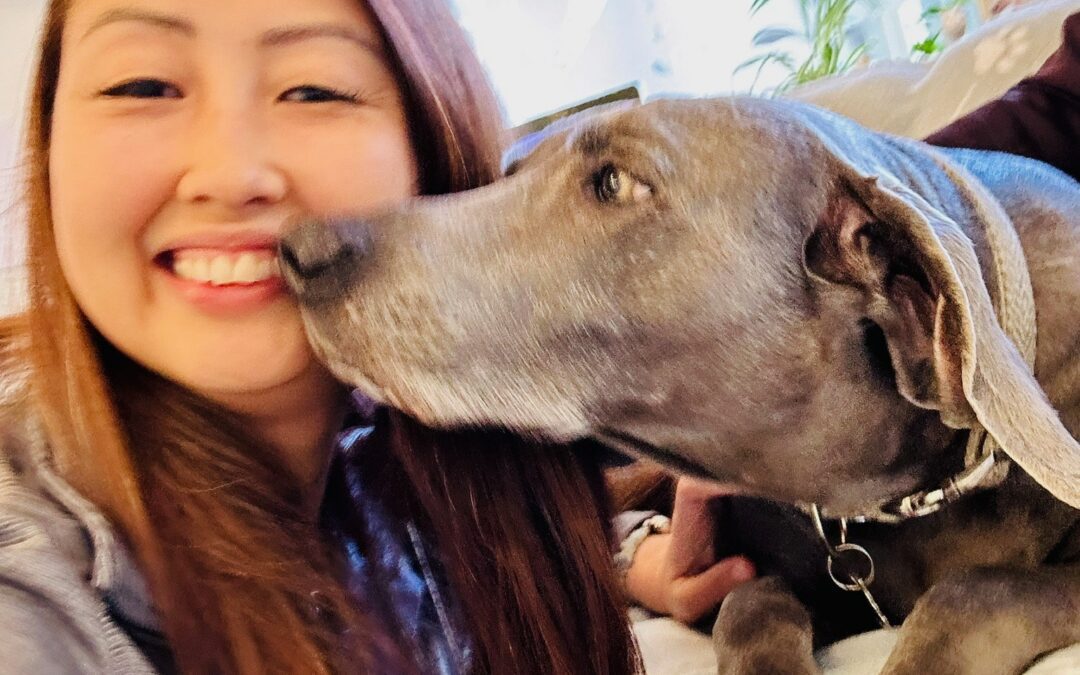
Over the years, I’ve spent a lot of time sitting on the couch with Remi — his favorite place — just talking with Esa. And through those conversations, I got to know her heart. She’d bring in her own foster dog. Then another foster. She’d tell me about the dogs she was transporting, the ones she was advocating for, the families she was helping connect with their next pet. She once drove her Jeep straight into a hurricane to rescue as many dogs as she could.
I am always amazed at her compassion and her big heart. So when it came time to have a conversation about rescue on the podcast, there was no one else I wanted to talk to.
And she told me something that stopped me. The number one reason perfectly healthy, well-behaved dogs end up in shelters right now isn’t behavior problems. It’s life.
A family gets pregnant and can’t handle a puppy and a baby. Someone loses their job. A family member dies and nobody can take the dog. These dogs aren’t broken. They just need a home.
And here’s the part that hit me hardest — right now, good dogs are being euthanized. Not because they’re difficult. Because there’s no room.
Every single breed is represented in rescue right now. Doodles. Goldens. Yorkies. Purebreds. And you can get puppies, adult, and senior dogs. The idea that rescue is only for problematic pets with issues is simply not true anymore.
And I’ve been talking about dogs this whole time, but I want to make sure I say this — everything I just said is true for cats too. Maybe even more so. Shelters and rescues are overflowing with beautiful, sweet, perfectly healthy cats and kittens who are ready for a home right now.
If you’ve been thinking about adding a pet to your family — or if you know someone who has — here are five places to start looking:
Petfinder.com — the gold standard. Search by breed, age, size, and location. New pets are added daily so check back often.
Breed-specific Facebook groups — search for “[Breed Name] Rescue” plus your state or region. These communities are incredibly passionate and will network nationally to help a pet find a home.
Nextdoor — search “dog/cat rehoming.” You’ll find local families looking for direct placement, which is often the best scenario for the pet.
Instagram — follow local rescues and watch for #adoptable posts. One share on your story could connect a pet with their forever family.
Google “[Your City] dog/cat rescue” — find local 501c3 rescues, browse their sites, and attend adoption events.
If you decide to adopt, here’s what to expect. Most rescues require an application — they’ll ask about your living situation, other pets, your schedule, and your experience with pets. Don’t be discouraged by this. They’re trying to make a good match, not gatekeep. You may do a home visit or meet-and-greet at the foster home. Adoption fees typically run $150-500 and cover spay/neuter, vaccinations, microchip, and a vet check. Most good rescues will provide medical records, an adoption contract, and support after you bring your pet home — including taking the pet back if it doesn’t work out.
A few things to look for in a good rescue: transparent communication, honesty about the pet’s history and needs, clear process, and support that feels kind rather than judgmental. If a rescue makes you feel like you’re not good enough to adopt — trust your gut and try another one. There are wonderful organizations doing this work. Find those and go toward them.
And if you can’t adopt right now — that’s completely okay. You can still make a difference. Share an adoptable pet post on social media. Volunteer at a weekend adoption event for a few hours. Transport a pet to an event. Donate supplies or even $10. Help someone you know who can’t keep their pet find a new home directly instead of surrendering to a shelter. Foster for a weekend to give a shelter dog a break.
Pick one thing. Just one. That’s enough to change a life.
Esa said something on the podcast that I keep coming back to: “Saving one dog will not change the world. But for that one dog, the world has changed.”
I think about that when I’m sitting on the couch with Remi. About how one conversation, one ozone treatment, one foster, one share on social media — any one of those things can be the thing that changes everything for one animal.
🎧 Listen to the full episode with Esa on this week’s podcast.
And if you want to reach Esa directly — she genuinely wants to help you find the right place to start — you can email her directly esa1010@gmail.com.
Thank you for caring about this. The animals need people like you.
Dr. Lily 🦄

(with Remi)